
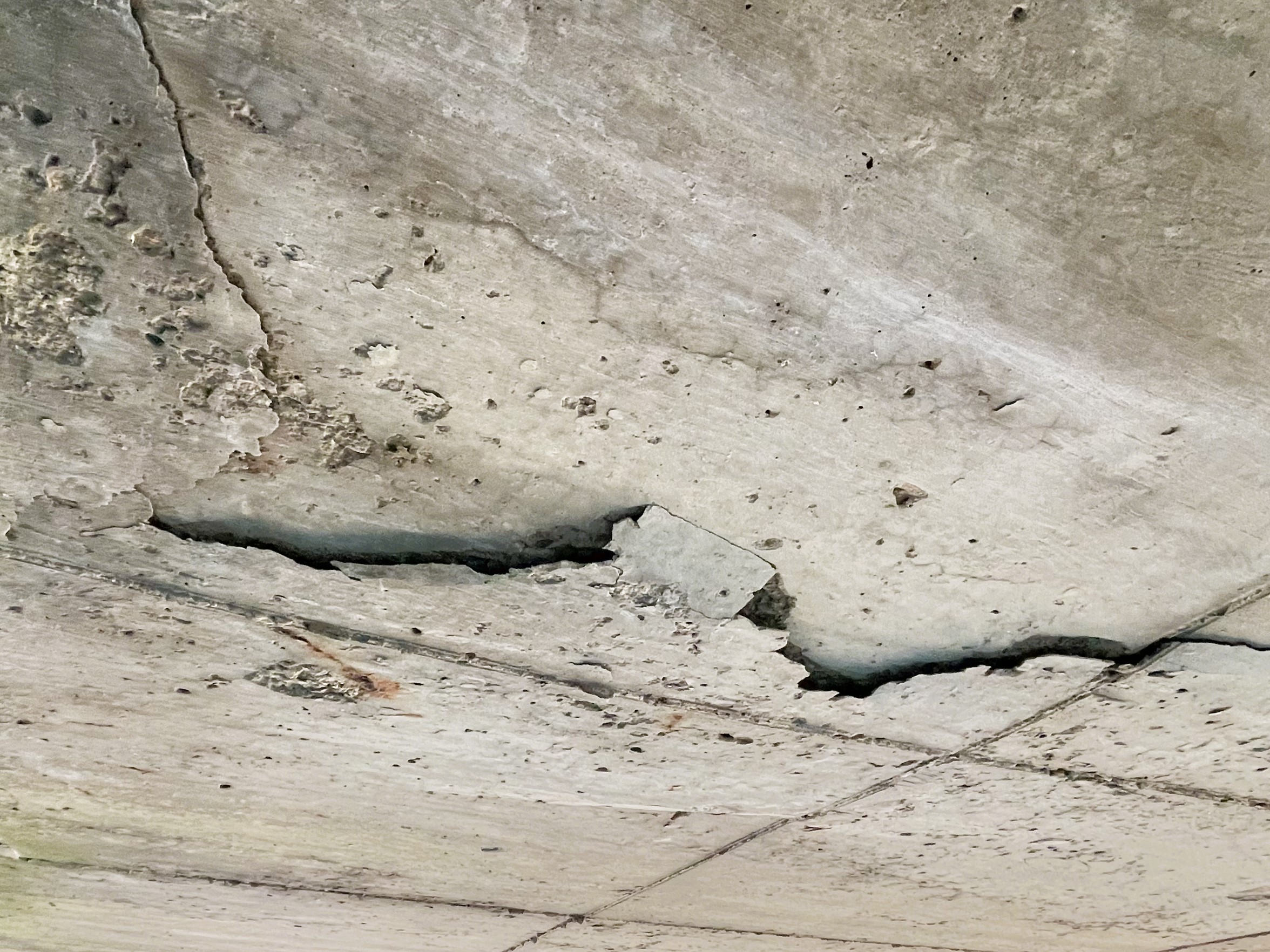
The RAAC crisis is upon us, but now is the time to think strategically and consider more than RAAC risk alone.
Many post war buildings have been subject to media attention in recent months due to concerns over dangerous Reinforced Autoclaved Aerated Concrete (RAAC). The concrete technology is prone to catastrophic structural failure if left unchecked. Commonly used in ceilings, floor structures and roof decks, the reinforced concrete becomes particularly susceptible to failure when wet. Water ingress causes expansion and deterioration of the metal reinforcement bars, debonding it from the surrounding concrete. The aerated concrete is filled with air bubbles which compress as the reinforcement expands. This can mask the risk of reinforcement corrosion and failure until collapse occurs. Moreover the weakening of the structure through wetting, poor workmanship and lack of sufficient support and end bearing heightens this risk.
The risks have been present for many years, however with the issue becoming the subject of widespread media coverage, the risks are simply too great to overlook. School and public building owners are rapidly surveying buildings to identify if RAAC is present and if it is a risk to their occupants. This issue extends much further and will be present in many other buildings.
One key issue with RAAC buildings is that the wider structure and building components are often dilapidated, in need of significant repairs and maintenance. The cost of such repairs are extensive. This raises the debate of whether it is time to replace these buildings with new, purpose built, safe and sustainable buildings. Before embarking on a RAAC replacement programme which could entail spend in the hundreds of thousands, it is essential to appraise the wider building strategically as this may also be at the end of its serviceable lifespan.
In a construction sector of new products and technologies, it is likely more material failure will occur. Materials such as asbestos and insulated cladding systems now identified as combustible are now serious dangers to life, but were once revolutionary in construction.
RACC is a material which needs to be fully assessed in detail by a structural engineer. Building owners do need to identify if RAAC is present in their buildings to establish risk and determine if further, detailed and costly structural review is necessary. It is also vital to get strategic advice on the wider condition of the building as this can inform additional investment decisions. The team at Adept Building Consultancy are on hand to undertake RAAC identification and wider building condition surveys to provide strategic advice on investment and works. We can provide targeted recommendations for further investigation and engineer involvement where RAAC is identified. The team also provide strategic advice on wider building defects, refurbishment and investment which should be a significant consideration for clients before spending vast sums on RAAC repairs which are no longer fit for purpose.